
Healthcare
How to Build a High-Performance HR Strategy for 2026
1. Introduction
The role of Human Resources is no longer purely administrative; it has evolved into a key driver of business value. By 2026, analysts project that 75% of HR leaders will rely on data-driven strategies to enhance organizational performance and secure competitive talent.
To effectively future-proof HR operations, modern HR leaders must shift from reactive management to proactive, strategic planning. This shift demands integrating three core elements into every function:
Data-Driven Decision Making: Leveraging HR analytics for predictive insights.
Technology Adoption: Implementing smart HR technology and automation.
Employee-Centric Design: Focusing relentlessly on the employee experience strategy.
This guide details how to design and implement a robust, high-performance HR strategy ready to meet the challenges of 2026 and beyond.
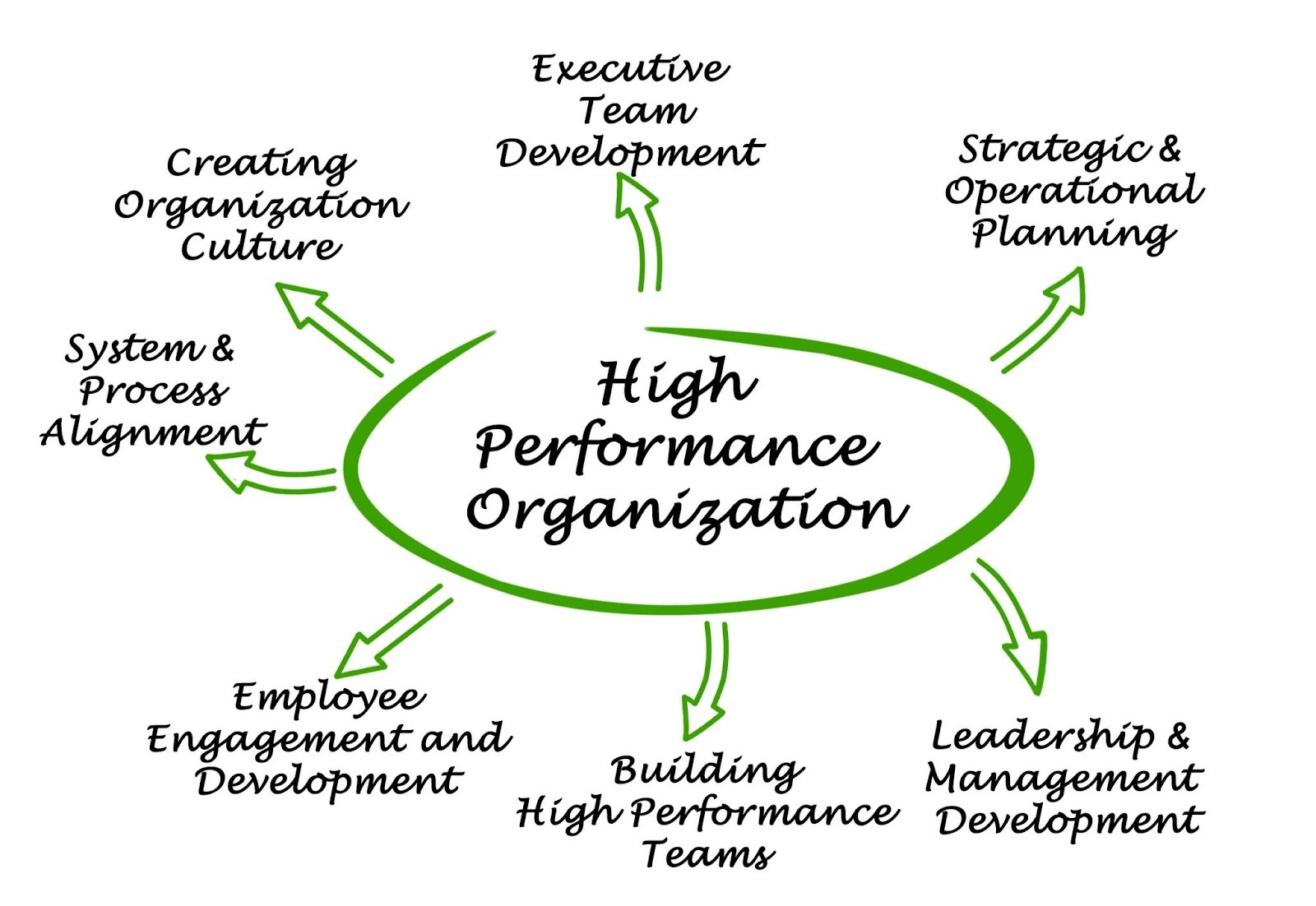
2. Why a High-Performance HR Strategy Matters
An outdated HR infrastructure costs more than just time; it directly impacts the organization’s bottom line. Low employee engagement, high turnover, and inefficient processes erode profitability.
A HR strategy provides a critical competitive advantage: it ensures the right talent is acquired, developed, and retained to execute business goals. Companies that embrace HR best practices in data and technology report significant gains in productivity and innovation. In the modern landscape, HR doesn't just support the business—it sets the pace for success.
3. Building Blocks of a High-Performance HR Strategy
A high-performance HR strategy stands on four interconnected pillars, designed to transform HR from an operational unit into a strategic growth partner.
Data-Driven HR: This involves moving beyond basic reporting (headcount, turnover) to HR data analytics. It means using predictive models for workforce planning, identifying retention risks, and optimizing talent acquisition channels based on source quality, not just quantity.
Technology Integration: The foundation of future-proof HR operations is advanced technology. This includes implementing next-generation Human Resources Information Systems (HRIS), leveraging AI tools for recruitment, and automating routine tasks via employee self-service platforms.
Employee Experience Focus: The employee experience strategy prioritizes personalization and seamless journeys from candidate to retiree. This includes continuous feedback loops, integrated physical/digital wellness programs, and consumer-grade ease of use for all HR services.
Strategic Talent Management: This pillar encompasses structured talent management processes, including continuous performance management, robust succession planning for critical roles, and personalized leadership development programs.
4. How To Leverage HR Technology and Analytics
Technology is the engine driving the HR strategy. The goal is not merely to digitize forms, but to automate administration and harness data for strategic insight.
The Power of HRIS and Automation: Modern HRIS platforms act as the central source of truth for all employee data. Automation within these systems frees up HR staff from administrative burdens, allowing them to focus on high-impact strategic initiatives.
Predictive Analytics for Workforce Needs: HR data analytics allows leaders to predict future challenges. By analyzing factors like compensation, tenure, and training history, organizations can forecast turnover hotspots, predict the need for upskilling and reskilling, and accurately anticipate workforce planning needs months or years in advance.
Streamlining the Talent Pipeline: AI-powered recruitment tools can screen resumes for best-fit skills and cultural alignment, reducing time-to-hire. Performance dashboards offer real-time visualization of team and individual HR performance metrics, moving beyond annual reviews to continuous optimization.
5. How To Enhance Employee Experience as a Core HR Objective
In the competition for talent, the employee experience strategy is the key differentiator. It's the sum of all interactions an employee has with the company, and its quality directly impacts retention and productivity.
Personalization and Recognition: High-performance HR treats employees as internal customers. This means customizing communication, providing personalized career progression paths tailored to individual aspirations, and implementing timely, relevant recognition programs.
Flexibility and Inclusivity: The shift toward hybrid work necessitates HR policies that prioritize flexibility, autonomy, and work-life balance. Inclusive workplace practices and equitable treatment across diverse work setups are essential components of a robust HR strategy.
Linking Experience to KPIs: HR must track key experience metrics (e.g., eNPS, sentiment scores, and feedback loop closure rates) and link them directly to HR performance metrics like productivity and retention rates, proving the financial value of a positive experience.
6. Data-Driven Workforce Planning and Performance Management
Effective workforce planning ensures the organization has the right skills at the right time. This process is fully dependent on data integrity and strategic alignment.
Identifying Gaps and Future Needs: Using HR data analytics, HR can model future business scenarios, identifying critical skill shortages (e.g., projected lack of cloud engineers in three years). This informs development programs and external hiring strategy.
Setting Measurable HR KPIs: All HR initiatives must have measurable Key Performance Indicators (KPIs) linked directly to overarching organizational vision and financial targets. For example, reducing time-to-productivity for new hires is an HR KPI that supports the company’s revenue goal.
Continuous Performance Evaluation: Moving away from annual reviews, HR technology facilitates continuous performance evaluation via pulse checks, real-time feedback, and goal-tracking. This agile approach ensures alignment and drives superior workplace performance improvement.
7. How To Overcome Challenges in Implementing a High-Performance HR Strategy
Transforming HR operations is not without hurdles. The most common challenges include budget constraints, organizational resistance to change, and difficulties in integrating new HR technology.
Solutions to Ensure Successful Strategy Rollout:
Executive Sponsorship: Securing buy-in from the CEO and CFO is non-negotiable. HR must frame the strategy as a business investment with clear financial returns, not just a cost center upgrade.
Phased Implementation: Avoid an overwhelming "big bang" rollout. Implement new HRIS modules or analytic tools in phases, starting with one or two critical areas (like recruitment or core payroll) to minimize disruption and build internal trust.
Employee Training and Communication: Resistance often stems from fear of the unknown. HR should develop comprehensive training plans for both managers and employees, highlighting how the new strategy will simplify their work and offer better professional growth opportunities. Transparency about the strategy and its benefits is key to securing organization-wide adoption.
8. How To Measure the ROI of a High-Performance HR Strategy
Proving the return on investment (ROI) is crucial for sustaining a high-performance HR strategy.
Key Metrics: Focus on measurable outcomes, including a quantifiable reduction in employee turnover, a verified increase in employee engagement scores (via surveys and sentiment analysis), demonstrable improvements in team performance, and concrete productivity gains reported by operational units.
Linking HR Outcomes to Business Results: The ultimate metric is connecting HR initiatives to financial success. For example, demonstrating that a new leadership development program led to a 10% reduction in production errors or that optimized workforce planning reduced contingent labor spending by 15%.
Continuous Improvement: The strategy is not static. HR performance metrics must be continuously fed back into the system to refine policies, training content, and technology use, ensuring the strategy remains agile and effective heading into 2026.
9. Conclusion
A high-performance HR strategy is the engine of sustainable competitive advantage. By integrating data, deploying smart HR technology, and committing to a superior employee experience strategy, HR leaders can future-proof HR operations and transform their function from a support system into a critical business accelerator. It's time to audit, redesign, and upgrade your HR strategy to ensure your organization is equipped for high performance in 2026 and the years to come.
FAQ Section
What is a high-performance HR strategy?
A high-performance HR strategy is a long-term plan that aligns HR goals (like talent acquisition, development, and retention) directly with overall business objectives, leveraging HR technology, HR data analytics, and a strong focus on employee experience to drive organizational success.
How can technology improve HR operations?
HR technology improves operations by automating routine tasks (payroll, onboarding), providing instant employee self-service, and enabling HR data analytics to move from reactive reporting to predictive modeling of turnover and skills gaps, making HR operations more strategic and efficient.
Why is employee experience critical in 2026 HR strategies?
The employee experience strategy is critical because the modern workforce demands personalized, seamless, and flexible working arrangements. A positive employee experience drives higher employee engagement, improves productivity, and is the most effective employee retention strategy.
How do HR metrics link to business performance?
HR performance metrics link to business performance by quantifying HR outcomes in business language. For example, reducing time-to-hire (HR metric) lowers operational costs and speeds up revenue generation (business performance). Lower voluntary turnover (HR metric) directly reduces recruiting and training costs (financial performance).